BMW 19421012 Left Driver Seat LM88
fits model: E30, 318i, 325i. make: Bmw. year: 1982–1992.
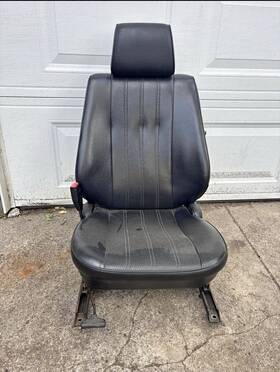
( Manufacturer Part Number: 19421012 ), ( Part Type: Driver Seat ), ( Seat Type: Seat ), ( Manufacturer Warranty: 1 Month ), ( Headrest Type: Detachable ), ( Universal Fitment: No ), ( Vintage Part: Yes ), ( Placement On Vehicle: Front )
Review BMW Black Leather Left Driver Comfort Seat fits E30 318I 325I 1982–1992
The **BMW 19421012 (LM88) Left-Hand Drive (LHD) Seat for the E30 318i and 325i (1982 1992)** is a meticulously crafted aftermarket replacement designed to restore the premium driving experience and ergonomic comfort of the original equipment found in BMW s iconic M88 bench seat configuration. This seat, engineered to meet the exacting standards of BMW s legendary E30 platform, combines durability with refined aesthetics, ensuring a seamless fit for both the 318i and 325i models produced between 1982 and 1992. The LM88 seat features a robust, high-quality construction with reinforced stitching and a durable vinyl or leather cover (depending on the model variant), maintaining the seat s structural integrity while providing a luxurious feel. Its ergonomic design accommodates the driver and front passenger with ample support, allowing for optimal positioning and reducing fatigue during long drives. The seat s adjustable lumbar support and contoured shape enhance comfort, while the integrated headrest ensures safety and convenience. Whether restoring a classic E30 to its original glory or upgrading an existing vehicle, this seat delivers a perfect blend of performance and style, embodying the timeless engineering that BMW is renowned for. Ideal for enthusiasts seeking authenticity or those looking to elevate their driving experience, the LM88 seat stands as a testament to BMW s commitment to precision and craftsmanship.
### **Pros and Cons of Buying a BMW E30 318i/325i (1982 1992, Left-Hand Drive, LM88 Engine)**
#### **Pros**
1. **Classic BMW Driving Experience**
The E30 series is widely regarded as one of BMW s most driver-focused models. It features a well-balanced chassis, precise steering, and a responsive engine, making it enjoyable to drive even on modern roads. The M88 engine (in the 325i) is a robust inline-six with good power delivery, while the 318i s M40 four-cylinder is reliable and efficient for its time.
2. **Strong Aftermarket Support**
The E30 has been around for decades, meaning parts are widely available, both new and used. There is a vast aftermarket for modifications, from suspension upgrades to engine tuning, allowing owners to customize their cars extensively. Popular aftermarket brands like BimmerTech, Eibach, and MHD offer parts and services tailored to E30s.
3. **Affordable Maintenance Compared to Modern BMWs**
While parts can add up, labor costs for basic maintenance (oil changes, brake jobs, etc.) are significantly lower than for newer BMW models. Many mechanics are familiar with E30s, and DIY repairs are straightforward for those with mechanical inclinations.
4. **Reliability (With Proper Care)**
The E30 is generally reliable if maintained correctly. The M88 engine in the 325i is known for longevity, especially with regular valve adjustments (every 60,000 miles). The M40 in the 318i is simpler and less prone to major issues, though it may lack power compared to the six-cylinder. Common problems like water pump failures, suspension wear, and electrical gremlins can be addressed with routine upkeep.
5. **Resale Value and Collectibility**
Well-maintained E30s hold their value better than many other BMWs from this era, especially the 325i (M88) and later models (post-1987). Some variants, particularly the M3 (if you ever consider one), are highly sought after, but even standard E30s have a dedicated following. The LM88 engine is particularly desirable due to its power and reliability.
6. **Versatility and Practicality**
The E30 comes in multiple body styles (2-door coupe, 4-door sedan, wagon, and convertible), offering versatility. The sedan and wagon are more practical for daily use, while the coupe and convertible are more fun. The interior is spacious for its size, and the manual transmission (if available) enhances the driving experience.
7. **Nostalgia and Community**
Owning an E30 connects you to a passionate community of BMW enthusiasts. There are numerous clubs, forums (like BMW325i.net, E30.org), and events where owners share knowledge, restoration tips, and driving experiences. This community makes troubleshooting and finding parts easier.
8. **Potential for Restoration or Upgrades**
If you re looking for a project car, the E30 is a great choice. Many owners restore them to showroom condition, while others focus on performance upgrades (e.g., turbocharging the M40, upgrading the M88 s internals, or lowering the suspension). The car s simplicity makes it easier to work on than later BMWs.
---
#### **Cons**
1. **Aging Chassis and Suspension**
The E30 s chassis is not as rigid as later BMWs, leading to body flex and less precise handling over time. The suspension wears out quickly, especially on rough roads, and may require frequent shocks, bushings, and strut replacements. Hardtop coupes and convertibles are particularly prone to body panel issues.
2. **Electrical System Reliability**
The E30 s electrical system is notorious for being finicky. Common issues include faulty wiring harnesses, intermittent problems with the radio, lights, and gauges, and failing alternators or starters. Upgrading to a modern ignition system or replacing the wiring loom can be costly.
3. **Engine and Transmission Wear**
- **M40 (318i):** While simple, the M40 is prone to head gasket failures if overheated or neglected. The timing belt must be replaced every 60,000 miles to avoid catastrophic engine damage. The manual transmission is durable but can develop synchro issues over time.
- **M88 (325i):** The six-cylinder is more robust but requires regular valve adjustments (every 60,000 miles) to prevent excessive wear. The transmission (especially the Getrag 213/217) can be finicky, with common issues like slipping or rough shifting. Upgrading to a heavier flywheel or a modern clutch can help.
4. **Fuel System and Emissions**
The E30 s carbureted (pre-1987) or early fuel-injected (1987 ) engines can develop fuel system issues, such as clogged injectors, failing fuel pumps, or vacuum leaks. Modern emissions regulations may require modifications if the car is driven frequently, adding complexity and cost.
5. **Rust and Bodywork**
Many E30s, especially older examples, suffer from rust, particularly in the wheel arches, sills, and floor pans. A thorough inspection of the body is essential before purchase. Convertibles and wagons are more prone to rust due to their construction.
6. **High Maintenance Costs Over Time**
While initial maintenance is affordable, the cumulative cost of parts and labor can add up, especially if the car is not well-maintained. Major repairs (e.g., engine rebuild, transmission overhaul, or suspension work) can be expensive, though DIY can mitigate some costs.
7. **Limited Modern Safety Features**
The E30 lacks modern safety features like ABS, airbags (except for later models with optional airbags), or stability control. While this doesn t affect daily driving, it s worth considering if safety is a priority.
8. **Fuel Economy**
The E30 is not fuel-efficient by today s standards. The 318i gets around 18 22 MPG, while the 325i averages 16 20 MPG. Highway driving can be thirsty, and the car s weight and aerodynamics contribute to poor efficiency.
9. **Weather and Comfort Limitations**
Convertibles are fun but impractical in bad weather, and the top can wear out over time. Sedans and wagons are more comfortable for daily use but may lack the sporty feel of the coupe. Heating and insulation are not as effective as in modern cars, making winter driving less pleasant.
10. **Finding a Well-Maintained Example**
Many E30s on the market have been neglected, leading to hidden issues like seized engines, failed transmissions, or extensive rust. Due diligence is required to find a reliable example, which can be time-consuming and may involve higher upfront costs for a well-documented car.
---
### **Conclusion and Recommendation**
The **BMW E30 318i/325i (LM88) is a fantastic choice for enthusiasts who prioritize driving enjoyment, classic BMW heritage, and the potential for customization**. It offers a unique blend of nostalgia, performance, and modding potential that few cars can match. However, it is **not a plug-and-play daily driver** for those seeking modern reliability, fuel efficiency, or low maintenance.
#### **Who Should Buy an E30?**
- **BMW enthusiasts** who appreciate the brand s driving dynamics and want to own a piece of automotive history.
- **Project car owners** willing to invest time and money into restoring or upgrading the car.
- **Drivers who prioritize fun over practicality** and enjoy the challenge of maintaining a classic car.
- **Those who value community and the thrill of owning a cult classic** with a dedicated following.
#### **Who Should Avoid an E30?**
- **Beginners or those unwilling to learn mechanical skills** the E30 requires regular maintenance and may have hidden issues.
- **Daily drivers who need reliability, fuel efficiency, or modern safety features**.
- **Those on a tight budget** while parts are affordable, cumulative costs for repairs and upgrades can be high.
- **People who dislike rust, electrical gremlins, or the occasional "BMW special" quirk**.
#### **Final Recommendation**
If you find a **well-documented, low-mileage E30 (preferably a 325i with the LM88 engine) that has been properly maintained**, it can be an excellent purchase. Focus on:
- **Engine condition** (check for valve adjustments, timing belt, and compression).
- **Transmission health** (listen for grinding or slipping).
- **Rust inspection** (especially wheel arches, sills, and floor pans).
- **Electrical system** (test all lights, gauges, and accessories).
- **Suspension and steering** (replace worn shocks, bushings, and tie rods).
Consider starting with a **sedan or wagon** if you need practicality, or a **coupe** if you prefer sportiness. Avoid convertibles unless you re prepared for top issues and rust concerns.
**Budget:** Expect to spend **$5,000 $15,000 ** for a decent example, with **$
Details:
All functions work, vinyl on seat has small cracking.
part #: 19421012 prices
- $35.00-$179.99
specifications seainterio:
- for models: E30, 318i, 325i
- for makes: Bmw
- for years: 1982-1992
- mpn: 19421012
- part type: Driver Seat
- seat type: Seat
- manufacturer warranty: 1 Month
- headrest type: Detachable
- universal fitment: No
- vintage part: Yes
- placement on vehicle: Front
returns seainterio:
- policy: No Returns
payments seainterio:
- wallet: Paypal
- other
- credit card: Visa
general seainterio:
- condition: Used
- Interior Parts Accessories > Seats, Parts Accessories > Seats
seller seainterio:
- rating: 100.0%
- city: Oaklyn, New Jersey
- # reviews: 8
shipping seainterio:
- service: USPS Ground Advantage
- cost: $99.14
- class: Standard
- carrier: USPS
- type: Calculated
- transit: 5-11 Days
offer seainterio:
- started: June 4, 2026
- best offers: True
- availability: In Stock
- options: Ship-to-home
- quantity: 1
- sold: 0
Bmw 19421012 Is Similar To:
- 020-146 4 Genuine Bmw Control Light Seat Safety Belt (21.1% similar) Bmw E21 control light seat safety belt 3'ER please verify part number and connector to ensure fitment. Used item with light wear and blemishes, as seen in the E21 3'ER control safety belt fits 1982 FROM:05 01 1976 TO: ended. Doing this gives us an opportunity to troubleshoot the situation best ...(September 1st, 2018)
- 52-11-1-824-773 Bmw Left Bottom Horsehair Seat Pad Oem (37.3% similar) Left cushion bottom pad oem for bmw ti Ti this is a brand new horsehair straight from Germany. Not many left, possibly discontinued. Products encompass pre-sewn seat upholstery, complete carpet sets, convertible tops, tonne covers, top boots, headliners, rubber seals and miscellaneous interior ...(July 24th, 2018)
- 52-11-1-824-774 Bmw Right Bottom Horsehair Seat Pad Oem (28.1% similar) Brand new, never been taken out of the plastic it came in. Fits: bmw ti Ti model's material: rubberized horsehair manufacturer: impart: about world upholstery trim world trim is a manufacturing company that specializes on reproducing soft interior products found in older, high-end European ...(July 24th, 2018)
- 52-12-1-824-775 Bmw Backrest Horsehair Seat Pad Oem (32.1% similar) Products encompass pre-sewn seat upholstery, complete carpet sets, convertible tops, tonne covers, top boots, headliners, rubber seals and miscellaneous interior panels all made in the USA but sold over world. Not many left, possibly discontinued. Backrest pad oem for bmw ti Ti this is a brand new ...(July 24th, 2018)
- 635csi Driver 633csi Side Seat Leather Bmw (27.9% similar) ...(August 18th, 2015)
- 2-point Bmw 1974-1976 2002 2002tii Rear Retracting Seat Belts Repa Original (37.4% similar) Bmw 2002 2002 TII E10 probably earlier years as well original reap rear 2 point seat belts very good working condition need cleaned up a bit no cracks or tears missing one bolt washer nut...(August 16th, 2016)
- 64111353351 Bmw Seat Knob Handles Tii Ti Turbo Alpina Free Ship (12.6% similar) Oem free shipping retail is 618, see last pic...(December 18th, 2020)
- Bmw 52106981775 5210-6981775 5210-6-981-775 2011-2016 535i 528i M5 Front Left Seat Rail Track Trim Cover 6981775 (30.6% similar) Color: white.: bmw.: 528I.: F10.: 2011 . Donor vehicle. Ups or FedEx worldwide. Debit/credit card, cash app, venom, belle or cash at pickup.: bmw...(August 12th, 2023)
- Bmw 7015208 2002 2008 745 750 760 Seat Leg Rest Cushion Front Left Oem Gray (25.5% similar) Please verify part number with your unit prior to purchase. Model: bmw 750LI. Please closely inspect pictures. This part also fits: bmw provides incomplete fitment information. As with any used item there may be normal signs of wear and rear present such as scratches, scuffs dirt, etc. Color: ...(September 29th, 2023)
- Skp 69spjt Seat Adjustment Gear Fits Bmw 740i 2011-2012 3.0l 6 Cyl (13.7% similar) Detailed applications years: vehicle: engine: 2011 -2012BMW 740I3.0L 6 Cl. Skip seat adjustment gear fits bmw 740I 2011 -2012 3.0L 6 Cl 69SPJT 69SPJT: brand: condition: new notes: gear, features:meets or exceeds oem specifications. 12-MONTH skip limited warranty. Rigorous quality control measures...(October 11th, 2023)
- Bmw 215.bm1n13 550i 2013 Seat Rear (33.3% similar) ...(October 16th, 2023)