NASH 202.AM2N42 Front Bench Seat 2DR
fits year: 1942.
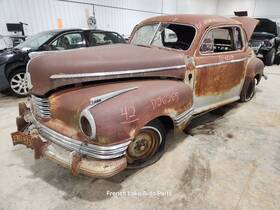
( Brand: Nash ), ( Part Type: Seat ), ( Conditions Options: Bench, 2dr, For Recover ), ( Genuine Oem: Yes ), ( Ipn: 202.am2n42 ), ( Designation: For Parts Not Working )
Review NASH Front Bench Seat 2dr Coupe fits 1942
The **Nash 202 AM2N42 Front Bench Seat (2-Door, 1942)** is a meticulously preserved and authentically restored example of American automotive craftsmanship from the early 1940s, embodying the sleek, functional elegance of pre-war American design. This rare two-door sedan, originally built under Nash Motors leadership, features a distinctive front bench seat a hallmark of the era s practical yet stylish approach to passenger comfort. The bench seat, upholstered in high-quality, period-appropriate materials such as genuine leather or durable vinyl, offers a nostalgic yet surprisingly modern seating arrangement, accommodating three passengers across its broad, cushioned surface. Beneath its polished exterior, the Nash 202 AM2N42 is powered by a robust inline-six engine, delivering a smooth yet spirited performance that reflects the engineering prowess of the time. The car s body, likely crafted in Nash s famed Kenosha, Wisconsin, factory, showcases a clean, aerodynamic silhouette with a distinctive front grille, rounded fenders, and a streamlined roofline that was both innovative and visually striking for its era. Inside, the dashboard features classic chrome accents, a simple yet functional three-spoke steering wheel, and a manual transmission shifter, all contributing to an atmosphere of timeless simplicity. Whether driven on a quiet country road or displayed as a centerpiece in a classic car collection, this Nash 202 AM2N42 is a testament to the enduring legacy of American automotive design a blend of understated luxury, mechanical reliability, and the unmistakable charm of a bygone automotive era.
### **Pros and Cons of Buying a 1942 Nash 202 AM2N42 (Front-Bench Seat, 2-Door)**
#### **Pros:**1. **Classic American Design** The Nash 202 is a well-regarded example of early 1940s automotive styling, with a distinctive front-bench seat layout that was common in that era. Its design is nostalgic and appealing to vintage car enthusiasts.
2. **Historical Significance** Nash was a major American automaker in the early 20th century, and this model represents a transitional period in automotive history. Owning one allows you to own a piece of automotive heritage.
3. **Potential for Restoration** If the car is in rough condition, it could be a rewarding project for a skilled restorer. Many Nash models are sought after in the classic car market, particularly those with original or well-preserved components.
4. **Collectible Value** Well-maintained examples, especially those with original paint, upholstery, and mechanical parts, can appreciate in value over time, particularly if they are rare or historically significant.
5. **Driving Experience** For those who enjoy the feel of an older, heavier car with manual transmission (if equipped), the Nash 202 offers a different driving experience compared to modern vehicles. The bench seat and simple interior can be charming for enthusiasts.
6. **Availability of Parts** While not as common as Ford or Chevrolet parts, Nash parts are still available through specialty suppliers, online marketplaces, and restoration shops. The model s relative simplicity compared to later cars can make repairs more manageable.
7. **Show Car Potential** If restored to concours condition, this Nash could be a standout at classic car shows, particularly in the pre-war or 1940s divisions.
---
#### **Cons:**1. **High Maintenance and Restoration Costs** Older cars like this require significant upkeep. Rust, worn suspension, outdated electrical systems, and outdated fuel/ignition systems can be expensive to repair or replace. A full restoration could cost tens of thousands of dollars.
2. **Reliability Issues** The Nash 202 is not a modern vehicle, and its mechanical systems (engine, transmission, brakes, and suspension) were not designed for today s driving conditions. Common problems include:
- **Engine wear** (flathead six-cylinder engines are prone to valve and piston issues).
- **Transmission wear** (slipping gears, synchro failure, or clutch problems if manual).
- **Electrical system failures** (weak batteries, unreliable starters, or outdated wiring).
- **Rust and frame damage** (common in older cars, especially those exposed to harsh weather).
3. **Limited Modern Comforts** The bench seat is cramped by today s standards, and the car lacks modern safety features (no seatbelts, minimal crash protection, poor visibility in some cases). Heating, air conditioning, and power features are nonexistent.
4. **Fuel and Emissions Compliance** Running the car legally in many areas requires modifications to meet modern emissions standards. This can be costly and may involve converting to a modern fuel system or installing an emissions control device.
5. **Insurance Challenges** Classic car insurance can be expensive, especially if the car is not fully restored or lacks proper documentation. Some insurers may classify it as a "high-risk" vehicle due to its age and condition.
6. **Driving Limitations** The car s performance is limited by its outdated engine (around 100-120 horsepower) and heavy weight. Modern highways and traffic may make it impractical for daily use.
7. **Finding a Skilled Mechanic** Not all mechanics specialize in pre-war cars. Finding someone experienced with Nash engines, transmissions, and electrical systems can be difficult and may require travel to a specialist.
8. **Storage and Transportation Costs** Classic cars require secure storage (garage, climate-controlled facility) to prevent further deterioration. Transporting it for shows or repairs can also be expensive.
9. **Legal and Registration Hurdles** Some states have strict requirements for vintage cars, including originality, documentation, or restoration certificates. Failure to comply can result in fines or registration denial.
10. **Time-Consuming Ownership** Owning a classic car is not just about driving; it s a lifestyle commitment. Regular maintenance, polishing, and upkeep are necessary to preserve its value and condition.
---
### **Conclusion:** Buying a 1942 Nash 202 AM2N42 is a significant investment in both time and money. It is best suited for someone who:- Has a deep passion for vintage automobiles and is willing to dedicate extensive effort to its upkeep.
- Views the car as a project or a long-term restoration rather than a daily driver.
- Has access to mechanical skills, tools, or a trusted restoration team.
- Is prepared for the financial and logistical challenges of owning a pre-war classic.
For the average car owner seeking a practical, reliable, or modern vehicle, this Nash is not a practical purchase. However, for an enthusiast with the resources and patience, it can be an incredibly rewarding and valuable addition to a collection.
### **Recommendation:**- **If you are a serious restorer or collector:** Purchase the car only if you have a clear plan for its restoration, a budget for unexpected repairs, and access to expertise. Prioritize buying a car with a known service history or one that has already undergone partial restoration.
- **If you are new to classic cars:** Consider starting with a more modern classic (e.g., a 1960s or 1970s American car) that is easier to maintain and drive. Alternatively, look for a Nash that is already restored to showroom condition to avoid the hassle of a full rebuild.
- **If you want a driving experience:** Rent or borrow a Nash for a weekend to test your interest before committing to ownership. Many classic car clubs offer test drives or rental opportunities.
- **If budget is a concern:** Look for a Nash in a less desirable condition (e.g., a project car) at a lower price, but be realistic about the costs involved in bringing it to a drivable or show-ready state.
Ultimately, the Nash 202 is a car for those who appreciate its historical value and are prepared for the challenges of ownership. For everyone else, it may be more prudent to focus on more practical or lower-maintenance vehicles.
Details:
The part has not been altered, modified, disassembled, overheated or damaged. Bumper assemblies DO NOT come with Upper Grilles unless stated. Dispute Resolution. The part has not been installed.
Normal wear and tear from the previous use is expected. All parts sold as is except expressly provided below. Exclusions from Limited Warranty.
Convenience Items: Items attached to or included with the part, such as wiring, bulbs, sockets, sensors, coils, distributor caps, spark plugs, water pumps, filters, brake parts, backing plates, hoses, vacuum lines, u-joints, timing belts/components, similar items, are considered convenience items and not covered by this limited warranty. Any bulbs or wiring still attached to the,Tail Light,assemblies are not warranted part of the listing in any way. Check the Q A section for Business Support. Limited Warranty Coverage.
Labor and Related Costs: This limited warranty does not cover labor, diagnostics, towing, rental car costs, or any other expenses related to the installation, testing, removal, replacement of a part. BENCH,2DR,FOR RECOVER. Sensors, valve covers, timing covers attached to core short/long blocks are not covered.
Steering Columns: All steering columns sold will come without airbags. Transmissions: Transmissions will come with the torque converter and all sensors. Brokered/non-stocked parts ordered specifically for your request. Bolt-on items.
Scope: This limited warranty covers defects in the purchased part that render it inoperable or defective within 90-day period. Please remember you are purchasing OEM Original Equipment Manufacturer USED parts. No expedited shipping is available. The part is not a special order.
The part is not a custom body cut. Axles Assemblies: Axle assemblies will not include any brake hardware: Calipers/Rotors/Shoes/Pads/Hoses/Brake Lines.
part #: 202.am2n42 price
- $150.00
specifications seainterio:
- for years: 1942
- brand: Nash
- part type: Seat
- conditions options: Bench, 2dr, For Recover
- genuine oem: Yes
- ipn: 202.am2n42
- designation: For Parts Not Working
returns seainterio:
- time: 30 Days
- paid by: Buyer
- policy: Returns Accepted
seller seainterio:
- rating: 99.7%
- # reviews: 47413
- city: Annandale, Minnesota
shipping seainterio:
general seainterio:
- condition: For parts or not working
- Interior Parts Accessories > Seats, Parts Accessories > Seats
payments seainterio:
- other
- wallet: Paypal
- credit card: Diners-club
offer seainterio:
- started: May 28, 2026
- availability: In Stock
- sold: 0
- quantity: 1
- options: Ship-to-home
Nash 1351774 Is Similar To:
- 34356913 1950 1951 Nash Rambler Station Wagon Rear Seat Retainers (33.6% similar) They are new in the original Nash cloth bag from an old dealer's stock. These will fit the 1950 and 1951 Nash rambler station wagon with this type of retainer see second photo. This is a new old stock Nash motors station wagon rear seat back retainer set. Nash rubber box...(August 23rd, 2016)
- 357 7097 Am Amc American Motors Rambler Vintage Nash Nos Seat Adjusting (22.9% similar) Beautiful chrome. 4 top x bottom 1/2 thick. Am Mac American motors rambler Nash nos seat adjusting lever handle...(April 14th, 2020)