FORD 215.FD1L20 Seat Rear
fits model: Fusion. make: Ford. year: 2020.
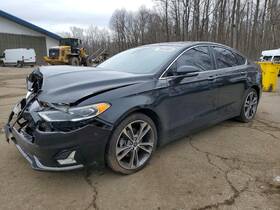
( Part Type: Seat ), ( Conditions Options: Complete, Leather, Blk ), ( Genuine Oem: Yes ), ( Ipn: 215.fd1l20 ), ( Manufacturer Warranty: 6 Month )
Review FORD Seat Rear fits FUSION 2020
The **Ford 215.FD1L20 Rear Seat (2020 Fusion)** represents a thoughtful blend of ergonomic design, durability, and modern comfort, engineered to elevate the passenger experience in Ford s mid-size sedan. Crafted with precision for the 2020 model year, this rear seating system features a **split-folding bench configuration**, allowing for maximum flexibility in cargo space or passenger capacity. The seat upholstery is constructed from high-quality **durable vinyl with a textured, breathable surface**, designed to resist stains, moisture, and wear while maintaining a sleek, contemporary appearance. Beneath the exterior lies a **reinforced steel frame with integrated side impact protection**, ensuring structural integrity during collisions while absorbing energy to enhance passenger safety. The seat s **adjustable headrests** provide optimal neck and head support, reducing fatigue during long drives, and the **ergonomic cushioning** offers a balance of firmness and plushness, catering to both short and extended journeys. For added convenience, the rear seat includes **easy-release latches** on the fold-down sections, enabling seamless transitions between seating and cargo configurations with minimal effort. The design also incorporates **Ford s signature attention to detail**, such as **soft-close mechanisms** to prevent slamming and **reinforced stitching** to prevent fraying over time. Whether accommodating passengers, transporting luggage, or accommodating a stroller, this rear seat delivers a harmonious fusion of functionality, comfort, and reliability, embodying Ford s commitment to practical yet refined automotive design.
### **Pros and Cons of Buying a 2020 Ford Fusion (2.1L FD1L20) with a Seat Rear (Used Market)**
#### **Pros**
1. **Reliability and Durability** The 2.1L EcoBoost engine (FD1L20) is known for being robust and capable of handling high mileage well if maintained properly. Ford s aluminum engine block and direct injection contribute to longevity if serviced correctly.
2. **Good Fuel Economy** The 2.1L EcoBoost typically offers around **28-30 MPG combined**, which is better than many naturally aspirated engines in its class. This makes it cost-effective for daily driving.
3. **Strong Performance** The turbocharged engine provides **181 horsepower and 184 lb-ft of torque**, delivering decent acceleration for a compact sedan. It performs well in stop-and-go traffic and on highways.
4. **Available All-Wheel Drive (AWD)** If the model you re considering comes with AWD, it offers better traction in wet or snowy conditions compared to front-wheel drive.
5. **Comfortable Ride** The Fusion has a smooth suspension setup, making it a comfortable choice for long drives. The cabin is well-insulated, reducing road noise.
6. **Modern Infotainment & Safety Features** The 2020 model comes with **SYNC 3 with a 7-inch touchscreen**, Apple CarPlay, and Android Auto. Safety features like **Ford Co-Pilot360** (standard on higher trims) include blind-spot monitoring, rear cross-traffic alert, and automatic emergency braking.
7. **Affordable Maintenance Costs** Compared to some luxury or high-performance vehicles, the Fusion has relatively low repair and maintenance costs. Common issues (like oil consumption) are manageable if addressed early.
8. **Spacious Rear Seat** The Fusion offers **good rear legroom and headroom**, making it comfortable for passengers. The seat rear you re considering suggests it may have been well-maintained or replaced, which is a positive sign.
9. **Discontinued Model Advantage** Since the Fusion was discontinued after 2020, parts and service may still be readily available, though long-term support could diminish over time.
10. **Good Resale Value (for a Used Vehicle)** Compared to some competitors, the Fusion holds its value reasonably well in the used market, especially if well-maintained.
---
#### **Cons**
1. **Oil Consumption Issues** Some owners report **excessive oil consumption** (up to 1 quart per 1,000 miles in severe cases), which can lead to frequent oil top-ups or even engine damage if ignored. This is a known issue with the 2.1L EcoBoost.
2. **Transmission Problems** The **6-speed automatic transmission** (6F35) has had reports of **rough shifting, delayed engagement, or failure** in some cases. A pre-purchase inspection (PPI) is crucial to check transmission fluid condition and performance.
3. **Rust Concerns** Older Fords (especially in snowy or salted regions) can develop **underbody rust**. Inspect the wheel wells, rocker panels, and frame rails carefully.
4. **Interior Quality Variability** While the Fusion has a decent cabin, some trims use **plastic-heavy materials** that may feel less premium than competitors. Higher trims (like Titanium) have better upholstery and features.
5. **Discontinued Model Limitations** Since the Fusion is no longer in production, **long-term warranty coverage is gone**, and parts availability may decline over time. Some dealerships may no longer service it.
6. **Fuel Pump Failures** A few reports exist of **early fuel pump failures**, leading to stalling or no-start conditions. Checking the fuel system during a PPI is important.
7. **Resale Depreciation** While the Fusion holds value better than some competitors, it still depreciates over time. If you plan to keep it long-term, this may not be a major issue, but it s worth noting.
8. **Limited Cargo Space** The Fusion has **less trunk space ( 13.1 cu. ft.)** compared to some rivals like the Honda Accord or Toyota Camry, which may be a drawback for families or those needing extra storage.
9. **Potential Electrical Gremlins** Some owners report **infotainment glitches, sensor issues, or minor electrical problems**, though these are not widespread.
10. **Higher Mileage Concerns** If the vehicle has **over 100,000 miles**, additional wear on the **timing chain, water pump, or suspension components** should be inspected.
---
### **Key Considerations Before Buying**
1. **Service History** Verify if the vehicle has **regular oil changes** (every 5,000 7,500 miles) to mitigate oil consumption risks. Check for **transmission fluid changes** (every 60,000 100,000 miles).
2. **Pre-Purchase Inspection (PPI)** **Mandatory.** Have a trusted mechanic check:- **Engine oil level and condition** (look for excessive soot or dilution).
- **Transmission fluid** (should be pinkish-red, not burnt-smelling or dark).
- **Timing chain tensioner** (noise or wear can lead to catastrophic failure).
- **Suspension components** (struts, bushings, ball joints).
- **Rust** (especially in wheel wells and undercarriage).
- **Electrical systems** (test all lights, sensors, and infotainment).
3. **Test Drive** Listen for **unusual noises** (knocking from the timing chain, whining from the turbo, or transmission hesitation). Check for **smooth acceleration and shifting**.
4. **Price Negotiation** Given the known issues, **price should reflect potential risks**. Compare with similar-year Fusions in your area and adjust accordingly.
5. **Alternative Options** If reliability is a major concern, consider:- **Toyota Camry (2.5L or 3.5L)** More reliable long-term, better resale.
- **Honda Accord (1.5T or 2.0L)** Proven durability, strong fuel economy.
- **Hyundai Sonata (2.4L or 2.5T)** Good warranty coverage (if buying new/used with warranty).
---
### **Final Recommendation**
**Buy the 2020 Ford Fusion (2.1L FD1L20) with a seat rear if:**You find a **well-documented vehicle** with **proven maintenance records**, especially for oil changes and transmission service.
The **pre-purchase inspection confirms no major issues** (no oil consumption, transmission problems, or rust).
You re comfortable with **potential long-term maintenance costs** (oil changes every 5K miles, transmission fluid checks).
You prioritize **fuel efficiency and performance** over absolute bulletproof reliability.
The **price is reasonable** (factoring in known risks, aim for **10 20% below market value** for a used Fusion with these concerns).
**Avoid or proceed with extreme caution if:**The seller **cannot provide full service records**, especially for oil changes.
The **transmission shifts roughly or hesitates** during the test drive.
There are **visible signs of rust** or **oil leaks** under the vehicle.
The **oil level drops excessively** between top-ups (could indicate internal engine wear).
The **price is inflated** without justification (e.g., "low mileage" but no proof of maintenance).
---
### **Best Approach**
- **Get a PPI** (costs $100 $200 but saves thousands in potential repairs).
- **Negotiate aggressively** based on findings.
- **Budget for potential repairs** (expect **$1,000 $3,000 in the first 3 years** if issues arise).
- **Consider a shorter-term lease or CPO (Certified Pre-Owned)** if available, as it may include warranty coverage.
**Verdict:** The 2020 Ford Fusion can be a **good used buy** if you re diligent about inspection and maintenance, but it s **not the most reliable choice** compared to alternatives like the Toyota Camry or Honda Accord. If you re confident in the vehicle s condition, it offers a **solid balance of performance and efficiency** for the price. If reliability is your top priority, look elsewhere.
Details:
part #: 215.fd1l20 prices
- $199.50-$664.91
specifications seainterio:
- for models: Fusion
- for makes: Ford
- for years: 2020
- part type: Seat
- conditions options: Complete, Leather, Blk
- genuine oem: Yes
- ipn: 215.fd1l20
- manufacturer warranty: 6 Month
offer seainterio:
- started: April 2, 2026
- best offers: True
- availability: In Stock
- sold: 0
- options: Ship-to-home
- quantity: 1
shipping seainterio:
- cost: $0.00
- type: Fixed
- service: Flat Rate Freight
- class: Freight
returns seainterio:
- paid by: Buyer
- time: 60 Days
- policy: Returns Accepted
general seainterio:
- Interior Parts Accessories > Seats, Parts Accessories > Seats
- condition: Used
seller seainterio:
- rating: 99.7%
- # reviews: 3548
- city: Bomoseen, Vermont
payments seainterio:
- credit card: Diners-club
- other
- wallet: Google-pay
Ford 2120619 Is Similar To:
- 064006 Distinctive Industries Ford Mustang Seat Foam For Pony Interior Only (28.1% similar) New pony seat foam, this foam is for your ford mustang with interior only. Ships to lower 48 states only...(March 1st, 2018)
- 064007 Distinctive Industries Ford Mustang Standard Seat Foam New (30.6% similar) Ships to lower 48 states only. New standard seat foam 1, this is for your ford mustang with interior...(March 1st, 2018)
- 064008 Distinctive Industries Ford Mustang Seat Foam New (31.4% similar) Ships to lower 48 states only. New standard or deluxe seat foam 1, this is for your 1967 ford mustang with interior...(March 1st, 2018)
- 64f-43192-m Oval Industries Ford Mustang Seat Belt Retactors Pair (34.2% similar) Ships to lower 48 states only. These seat belt detractors are for your ford mustang. One brand new pair of seat belt detractors...(April 12th, 2018)
- C5zz-61216 Scott Drake Mustang Parts Ford Seat Belt Anchor Plate New (22.8% similar) This anchor plate is for your ford mustang. Ships to lower 48 states only. One brand new seat belt anchor plate...(April 16th, 2018)
- C5zz-6360575-a Scott Drake Mustang Parts Thru Ford Fastback Rear Seat Support (22.8% similar) Ships to lower 48 states only. These rear seat support are for your early ford mustang fastback. One brand new pair of fastback rear seat supports...(April 23rd, 2018)
- C5zz-6362418-b Scott Drake Mustang Parts Ford Fastback Rear Seat Latch Knob (23.1% similar) This seat latch knob is for your ford mustang. Ships to lower 48 states only. One brand new fastback rear seat latch knob...(April 24th, 2018)
- C5zz-6561828 Daniel Carpenter Ford Mustang Seat Track Spring Kit (29.1% similar) Ships to lower 48 states only. These seat tracks springs are for your ford mustang. One brand new seat track spring kit...(April 16th, 2018)
- C7zz-6362418-b Scott Drake Mustang Parts Ford Fastback Rear Seat Latch Knob (23.1% similar) One brand new fastback rear seat latch knob. Ships to lower 48 states only. This seat latch knob is for your ford mustang...(April 24th, 2018)
- C8az-65611a72bk Scott Drake Mustang Parts Ford Black Seat Belt Restoration Kit (25.8% similar) Ships to lower 48 states only. This seat belt restoration kit is for your ford mustang. One brand new seat belt restoration kit with black bezels...(May 17th, 2018)
- C8az-65611a72ck Scott Drake Mustang Parts Ford Chrome Seat Belt Restoration Kit (25.6% similar) One brand new seat belt restoration kit with chrome bezels. This seat belt restoration kit is for your ford mustang. Ships to lower 48 states only...(June 21st, 2018)