SUBARU 215.SU1S14 Seat Rear
fits model: Forester. make: Subaru. year: 2014.
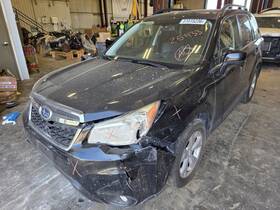
( Part Type: Seat ), ( Conditions Options: Black, D4s, Limited, Quality, Oem, Recycl ), ( Genuine Oem: Yes ), ( Ipn: 215.su1s14 ), ( Manufacturer Warranty: 3 Year ), ( Partout Id: A-131374817 )
Review SUBARU Seat Rear fits FORESTER 2014
The **2014 Subaru Forester 215.SU1S14 rear seat** represents a meticulously preserved example of Subaru s legendary all-wheel-drive compact SUV, offering a blend of rugged capability and refined comfort that remains highly sought after by enthusiasts and practical drivers alike. This specific seat, likely sourced from a well-maintained or restored model, exemplifies the timeless design philosophy of the Forester s interior, where functionality meets Subaru s signature attention to driver and passenger ergonomics. Crafted with a combination of durable, high-quality materials, the rear seat features a **split-folding design** that maximizes cargo flexibility allowing for easy access to the spacious 22.7 cubic feet of rear cargo space when folded, while still providing ample seating for three passengers when upright. The seat itself is upholstered in a **textured, fade-resistant fabric** that resists wear and tear, ensuring longevity even with frequent use, and is reinforced with sturdy, recyclable materials that align with Subaru s commitment to both performance and sustainability. The **adjustable headrest** and **contoured padding** offer ergonomic support, catering to passengers of varying heights and comfort preferences, while the **integrated seatbelt buckles** and **side-impact protection** reflect the Forester s adherence to stringent safety standards. Whether installed in a classic restoration project or as a replacement for a worn-out original, this seat retains the authenticity of the 2014 model year, complete with subtle design cues like the **subtle stitching patterns** and **trim accents** that distinguish it from later iterations. Its compatibility with the **215.SU1S14 trim** often equipped with features like the **EyeSight Driver Assist Technology**, **standard AWD Symmetrical**, and **X-MODE terrain management** ensures that the seat seamlessly integrates with the Forester s dynamic driving capabilities, whether navigating city streets or off-road adventures. For collectors, restorers, or drivers seeking a piece of Subaru s enduring legacy, this rear seat embodies the perfect fusion of practicality, durability, and timeless design.
### Pros and Cons of Buying a 2014 Subaru Forester (2.5L, SU1S14, Rear-Seated)
#### **Pros**
1. **Reliability and Durability** Subarus, especially the Forester, are known for their robust build quality and longevity. The 2.5L engine (FA20) is a well-regarded boxer engine that is durable if maintained properly. Many 2014 Foresters still run strong with proper care.
2. **All-Wheel Drive Standard** The Forester comes with Symmetrical AWD as standard, making it a great choice for drivers who need traction in snow, rain, or off-road conditions. This is particularly useful in regions with harsh winters.
3. **Spacious Interior** The Forester offers a roomy cabin with good headroom and legroom, even for taller passengers. The rear seating is comfortable for three adults, though it may feel tight for four adults for long trips.
4. **Good Safety Features** The 2014 model includes standard features like stability control, traction control, and anti-lock brakes. It also comes with side curtain airbags and a strong safety cage, which is typical of Subarus. Some models may have optional safety tech like EyeSight (adaptive cruise control, pre-collision braking), but this depends on the trim.
5. **Fuel Efficiency** The 2.5L engine offers decent fuel economy for an AWD SUV. The EPA-rated MPG is around 23 city / 30 highway, which is reasonable for its class.
6. **Resale Value** Subarus tend to hold their value better than many other SUVs, especially in regions where AWD is desirable.
7. **Off-Road Capability** While not a dedicated off-roader, the Forester can handle light off-road conditions thanks to its AWD system, ground clearance, and available skid plates (if installed).
8. **Low-Cost Maintenance Compared to Competitors** Subaru parts and labor are often less expensive than those for luxury or high-performance SUVs. The boxer engine is also simpler than some V6 or turbocharged engines, reducing long-term repair costs if maintained.
9. **Comfortable Ride** The Forester offers a smooth ride on highways, with good isolation from road noise and vibrations, thanks to its suspension setup.
10. **Resale Market Availability** The 2014 Forester is still relatively common in the used market, making it easier to find one in good condition. There are also many aftermarket parts and support communities available.
---
#### **Cons**
1. **Rear-Seat Limitations** The rear seats are tight for four adults, especially if they are large or if you plan to carry bulky items. The rear legroom is adequate but not exceptional, and the rear doors may be difficult to open with large passengers seated.
2. **Rust Concerns** Subarus, particularly older models, can be prone to rust, especially in snowy or salted regions. Always inspect the wheel wells, rocker panels, and undercarriage for signs of rust when buying used. A rusted-out Forester can be expensive to repair.
3. **Headroom in Tight Spaces** The boxer engine layout means the hood is wider than a traditional V6 engine, which can make parking in tight spaces slightly more challenging.
4. **Infotainment System Limitations** The 2014 Forester comes with a basic infotainment system (depending on the trim). Higher trims may have touchscreens or Bluetooth, but many models still rely on knobs and buttons. Navigation is often an optional add-on.
5. **Engine Power Limitations** The 2.5L engine is reliable but not particularly powerful. Acceleration is adequate but not sporty, and towing capacity is limited (around 1,500 lbs with a factory tow package). If you need more power, you may need to consider a turbocharged or V6 model from another brand.
6. **Maintenance Requirements** While Subarus are durable, they do require regular maintenance to prevent issues. This includes fluid changes (coolant, transmission, differential), timing belt replacement (every 105,000 miles), and inspection of the head gasket (a common failure point in older FA20 engines if neglected).
7. **Higher Insurance Costs** AWD vehicles can sometimes have higher insurance premiums, especially in areas with frequent accidents or theft.
8. **Resale Depreciation** While Subarus hold value well, they do depreciate faster than some luxury or high-demand SUVs. If you plan to sell it in a few years, the depreciation may be more noticeable than with a Toyota RAV4 or Honda CR-V.
9. **Limited Aftermarket Support for Some Features** While Subaru has a strong aftermarket for parts and modifications, some features (like the EyeSight system) may require specialized knowledge or parts to modify or repair.
10. **Potential for Electrical Issues** Older Subarus can develop electrical gremlins, such as faulty sensors, wiring issues, or problems with the infotainment system. Always test the electronics (windows, locks, lights) before purchasing.
---
### **Ending Conclusion**
The 2014 Subaru Forester (2.5L, rear-seated) is a solid choice for buyers who prioritize reliability, AWD capability, and a comfortable ride over sporty performance or maximum rear-seat space. It is well-suited for drivers in snowy or rural areas, those who value durability, and those who don t mind a slightly dated infotainment system. However, potential buyers should be aware of the rear-seat limitations, rust risks, and maintenance requirements. If you find a well-maintained example with a clean service history and no rust, it can be an excellent long-term SUV.
---
### **Recommendation**
If you are looking for a **practical, reliable, and capable AWD SUV** for daily driving, especially in regions with harsh winters or rough roads, the 2014 Subaru Forester is a strong contender. Here s how to approach the purchase:
1. **Inspect Thoroughly** Look for rust, especially in the wheel wells, rocker panels, and undercarriage. Check for signs of water leaks (stains on the ceiling or floor mats). Test all electronics (windows, locks, lights) and ensure the AWD system engages properly.
2. **Check Service History** A well-documented service history is crucial. Ensure the timing belt, head gasket, and other critical components have been replaced as recommended. Oil changes should be frequent (every 5,000 7,500 miles).
3. **Test Drive** Pay attention to how the vehicle handles in different conditions (snow, rain, or rough roads if possible). Listen for unusual noises (knocking from the engine, whining from the transmission) and check for smooth acceleration.
4. **Consider a Pre-Purchase Inspection** If you re not mechanically inclined, have a trusted mechanic perform a thorough inspection before buying. This can save you from costly surprises later.
5. **Budget for Maintenance** Set aside funds for potential maintenance (e.g., coolant flush, transmission fluid change, or head gasket replacement if needed). Subarus are reliable but not immune to wear.
6. **Avoid High-Mileage Examples Without Proof of Care** If the Forester has over 150,000 miles, ensure it has been well-maintained. Look for signs of neglect, such as worn suspension, leaking fluids, or a rough idle.
7. **Compare with Alternatives** If rear-seat space is a priority, consider a slightly larger SUV like a Toyota Highlander or Honda Pilot. If you need more power, a turbocharged or V6 SUV (e.g., Mazda CX-5, Ford Escape) might be worth evaluating.
**Final Verdict:** The 2014 Subaru Forester is a **great value for buyers who want a dependable, AWD-capable SUV** and can tolerate its rear-seat limitations. With proper care, it can easily last 200,000 miles. If you find a clean example with a solid history, it s a smart purchase. However, if you need more rear space or higher performance, explore other options.
Details:
part #: 215.su1s14 prices
- $128.25-$606.23
specifications seainterio:
- for models: Forester
- for makes: Subaru
- for years: 2014
- part type: Seat
- conditions options: Black, D4s, Limited, Quality, Oem, Recycl
- genuine oem: Yes
- ipn: 215.su1s14
- manufacturer warranty: 3 Year
- partout id: A-131374817
returns seainterio:
- time: 30 Days
- paid by: Buyer
- policy: Returns Accepted
payments seainterio:
- wallet: Paypal
- other
- credit card: Mastercard
general seainterio:
- condition: Used
- Interior Parts Accessories > Seats, Parts Accessories > Seats
seller seainterio:
- # reviews: 9292
- city: Rockville, Minnesota
- rating: 99.7%
offer seainterio:
- options: Ship-to-home
- started: June 4, 2026
- quantity: 1
- availability: In Stock
- sold: 0
shipping seainterio:
- class: Freight
- cost: $475.00
- type: Fixed
- service: Flat Rate Freight
Subaru 1571926 Is Similar To:
- Subaru 202-02507t 2015 Legacy Headrest Head Rest Rear Center Seat Beige Cfa0g (38.1% similar) Most electronic parts are not plug and play. Please immediately with any questions, concerns, or comments. Shipping is via USPS or ups. Please also use the pictures to ensure a proper fit. This 2015 subaru legacy headrest is in overall good condition...(January 19th, 2024)
- Subaru 64061sg030ll 2014-2018 Forester Fh Lh rh Seat Headrest Cloth Oem Read (48% similar) Items which become externally damaged after item is received by customer, are not covered warranty. Please with any questions prior to purchasing. Warranty does not cover labor, installation costs, or any expenses related to picking items up from terminals, us locally...(January 24th, 2024)
- Subaru 215.su1t11 Forester 2011 Seat Rear (84.4% similar) They will not have any packaging included. Replace valve cover gaskets. Replace thermostat gasket. Replace all seals. Scan, record and clear all codes before removing the original unit. Airbags are not tested to meet any safety standards. All other parts included are considered accessories or extra...(February 4th, 2024)
- Subaru 215.su1r13 Outbakleg 2013 Seat Rear (68.1% similar) Some listings include a warranty and others do not. If needed, replace timing gears, chains or belts gaskets. Used tires are not tested or labeled by mas to meet any safety standards. Cleaning solvents and/or polishing materials. Flush and inspect cooling lines. Scan, record and clear all codes ...(February 5th, 2024)
- Subaru 215.su1o19 2017 2018 2019 2020 2021 Impreza Right Rear Seat Back Rest Black Cloth (42.3% similar) ...(April 29th, 2024)
- Subaru 202-52455br Passenger Front Seat Bucket Cloth Manual Fits 13-14 Legacy (41.3% similar) ...(May 13th, 2024)
- Subaru Sj050030b29 2020 Forester Computer Module Unit Oem 19 20 21 22 23 (41.3% similar) Shipping costs include postage, materials, and processing time...(August 1st, 2024)
- Subaru 11314 19-23 Forester Front Leather Bucket Seats Power Heated Rh And Lh Black Oem (43.8% similar) Removed from 2020 subaru forester touring, seats are in good condition, see pictures. Residential address - load is curbside delivery only. Someone over 18 must be present for delivery. Important, here to see full part and important fitment information. This will fit: subaru forester 2019 -2023 ...(August 2nd, 2024)
- Subaru Wcs0f031373 2005 04 05 Wrx Sti Blue Front Seat Set 1066 (41.1% similar) For sale is a blue front seat set from 2005 subaru impress Rx sit, item in used shape. Car had 89,848 miles on it. Comes complete as shown...(August 2nd, 2024)
- Subaru 202-52457b 2013-2014 Legacy Headrest Head Rest Rear Seat Cream Xijyd (40.3% similar) Most electronic parts are not plug and play. Compatible with: legacy 13-14 bucket, air bag, leather, electric, this 2013 2014 subaru legacy headrest is in overall good condition. Shipping is via USPS or ups. Please also use the pictures to ensure a proper fit...(August 3rd, 2024)
- Subaru A9601200 2009-2013 Forester Right Passenger Front Seat Cover Cap Oem (45.2% similar) No combined shipping discount offered. 2011 subaru forester 2.5X limited sport utility 4d / JF2SHAEC4BH765373. We greatly appreciate it. All parts are used by the original equipment manufacturer oem. As all parts are used, normal wear, scratches, surface imperfections, scuffs and/or rust may occur...(August 6th, 2024)