VOLKSWAGEN 7D0886611A Rear Seat Bed Board
fits model: Mv, Eurovan. make: Volkswagen. year: 1999–2003.
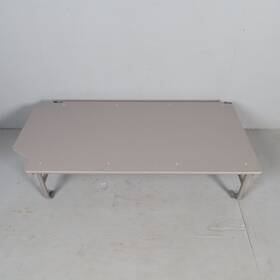
( Manufacturer Part Number: 7D0886611A ), ( Model: EUROVAN ), ( Part Type: Seat Bed Board ), ( Year: 2002 ), ( Storage Location: Ru4b06 ), ( Body Style: Van ), ( Interior Color: Flanel Gray ), ( Engine: 2.8l / Axk ), ( Transmission: A.t. / Eqj ), ( Oe/oem Part Number: 7d0-886-611-a; 7d0 886 611 A ), ( Country Of Origin: Germany ), ( Seat Type: Bed ), ( Vehicle Color: Grayish White )
Review VOLKSWAGEN Rear Seat Bed Board Oem fits EUROVAN MV 1999–2003
The **Volkswagen Eurovan (7D0886611A) Rear Seat Bed Board** from the 1999 2003 model years is a meticulously engineered component designed to enhance both functionality and comfort within the spacious cargo and passenger areas of this iconic commercial and family vehicle. Crafted from high-quality, durable materials, this bed board serves as a sturdy, modular divider that separates the rear cargo space from the seating area while providing a versatile platform for additional storage or seating configurations. Its robust construction ensures stability, preventing sagging or shifting under the weight of cargo, passengers, or even temporary seating arrangements, making it an essential upgrade for those who rely on the Eurovan for long-haul deliveries, family road trips, or mobile workspaces. The design accommodates the vehicle s distinctive sliding rear doors, allowing for seamless integration with the Eurovan s signature sliding side doors, whether in its passenger van or cargo van configuration. This bed board is particularly well-suited for users who require a balance between practicality and adaptability, as it can be easily removed or adjusted to reconfigure the interior layout whether for transporting goods, accommodating extra passengers, or creating a makeshift workbench or storage shelf. Its clean, unobtrusive profile also contributes to the Eurovan s signature sleek, utilitarian aesthetic, ensuring that the vehicle remains both practical and visually cohesive. For owners and operators who demand reliability and versatility in their commercial or recreational vehicle, this bed board is a precision-engineered solution that elevates the Eurovan s already impressive utility.
### **Pros and Cons of Buying a 1999-2003 Volkswagen Eurovan (7D0886611A) with Rear Seat Bed Board**
#### **Pros**
1. **Reliability and Durability** The Volkswagen Eurovan (based on the Transporter platform) is known for its robust engineering, particularly in its mechanical components. The 2.5L VR5 diesel engine (common in this era) is well-regarded for longevity if maintained properly. The chassis and suspension are sturdy, making it suitable for commercial or light-duty use.
2. **Spacious Interior** The Eurovan offers generous cargo space, especially with the rear seat bed board removed. The high roof and sliding side doors provide easy access, which is ideal for tradespeople, delivery services, or those needing extra storage. The sliding door mechanism is smooth and reliable compared to some competitors.
3. **Resale Value** Volkswagen Transporters (including the Eurovan) hold their value better than many competitors, particularly in the commercial van segment. This makes it a practical choice if you plan to sell or trade it in later.
4. **Customization Potential** The Eurovan s modular design allows for easy modifications, such as adding shelving, tool storage, or even converting it into a camper. The removal of the rear seat bed board (as in your case) maximizes cargo space, making it versatile for work or personal use.
5. **Comfortable Ride** The suspension is well-tuned for both on-road and light off-road use, providing a smoother ride than some older or budget vans. The interior is also relatively quiet compared to some competitors, which is beneficial for long drives.
6. **Availability of Parts** As a well-established model, parts for the Eurovan are widely available, both new and used. Volkswagen dealerships and aftermarket suppliers stock components for this generation, reducing downtime for repairs.
7. **Fuel Efficiency (Diesel Models)** The 2.5L VR5 diesel engine (common in this era) offers decent fuel economy for a van of this size, especially on highways. Diesel fuel was also cheaper than gasoline in many regions during its production years, making it cost-effective for commercial use.
8. **Safety Features** For its time, the Eurovan included standard safety features such as anti-lock brakes (ABS), stability control (in later models), and a robust frame. The sliding doors also provide a level of security compared to side-loading vans.
9. **Low-Cost Maintenance (Compared to Luxury Vans)** While not a luxury vehicle, the Eurovan s mechanical simplicity means that routine maintenance (oil changes, brake servicing, etc.) is often cheaper than for high-end commercial vans.
10. **Nostalgia and Community Support** The Eurovan has a dedicated following, with online forums (e.g., Eurovan Owners Club) where owners share tips, modifications, and troubleshooting advice. This can be invaluable for long-term ownership.
---
#### **Cons**
1. **Aging Technology** The Eurovan is from the late 1990s to early 2000s, meaning it lacks modern features such as:- Advanced driver-assistance systems (e.g., adaptive cruise control, lane-keeping).
- Up-to-date infotainment (no Bluetooth, USB, or modern connectivity).
- Improved fuel efficiency (modern diesels or hybrids offer better MPG).
- Electronic stability control (ESC) was not standard in all models until later years.
2. **Rust Issues** Many vans from this era, especially those driven in wet or salty conditions, suffer from rust, particularly around the wheel arches, sills, and undercarriage. A thorough inspection of the chassis and body panels is essential before purchase.
3. **Diesel Emissions Compliance** The 2.5L VR5 diesel engine does not meet modern emissions standards (e.g., Euro 5 or 6). This means:- It may not be road-legal in some countries without modifications (e.g., adding a diesel particulate filter or exhaust gas recirculation system).
- Fuel quality and additives may be required to keep the engine running smoothly.
- Resale value drops significantly compared to newer diesel vans.
4. **Transmission Wear** The manual transmissions in this era are robust but can wear out over time, especially if the vehicle was used for heavy towing or frequent stop-and-go driving. Automatic models (if available) may have fluid leaks or clutch issues.
5. **Interior Wear and Tear** The fabric upholstery and plastics can degrade over time, especially in high-mileage examples. The sliding door seals may also deteriorate, leading to drafts or water leaks.
6. **High Mileage Concerns** Many Eurovans in this age range have high mileage (150,000 miles). While the engine and transmission can last, other components like suspension bushings, timing belt, and water pump may need replacement soon.
7. **Limited Modernization** Unlike newer vans, the Eurovan cannot be easily retrofitted with modern tech (e.g., telematics, advanced diagnostics). This limits its appeal for businesses that rely on up-to-date fleet management tools.
8. **Fuel Costs** While diesel was cheaper in the past, modern diesel fuel is more expensive, and the Eurovan s fuel economy (around 20-25 MPG in real-world use) may not be as efficient as newer models. Gasoline models (if available) may offer better MPG but less torque.
9. **Sliding Door Mechanism** While convenient, the sliding door system can be finicky. Seals may wear out, causing drafts, and the door tracks can bind over time, requiring periodic lubrication or adjustment.
10. **Limited After-Sales Support** Volkswagen dealerships may not prioritize older models like the Eurovan, meaning repairs or servicing might be less convenient or costly than for newer vehicles. Independent mechanics with Eurovan experience are preferable.
---
### **Key Considerations Before Purchase**
1. **Mechanical Condition** Have a trusted mechanic inspect the engine, transmission, suspension, and chassis for rust or wear. Check the timing belt (if applicable), water pump, and differential fluid.
2. **Service History** A full service history is a major plus, as it indicates the vehicle was properly maintained. Look for records of oil changes, brake jobs, and major component replacements.
3. **Rust Inspection** Pay close attention to the wheel arches, sills, and undercarriage. Rust can compromise structural integrity and lead to costly repairs.
4. **Test Drive** Listen for unusual noises (knocking, squeaking, or grinding), check for smooth gear shifts, and test the sliding doors for smooth operation.
5. **Legal Compliance** Ensure the van meets current emissions and roadworthiness standards in your region. Some countries require modifications (e.g., DPF installation) for older diesel vans.
6. **Budget for Repairs** Factor in potential costs for suspension refreshes, brake upgrades, and interior refurbishment. Older vans often require more maintenance than newer models.
7. **Purpose of Use** If you plan to use it for commercial purposes (e.g., deliveries, trades), weigh the pros and cons against newer vans that offer better fuel efficiency, tech, and safety features.
---
### **Conclusion**
The **1999-2003 Volkswagen Eurovan (7D0886611A) with the rear seat bed board removed** is a **practical and reliable choice** for those seeking a spacious, durable work van or a versatile personal vehicle. Its **robust build, availability of parts, and customization potential** make it attractive for buyers who prioritize functionality over modern amenities. However, its **aging technology, potential rust issues, and lack of emissions compliance** in some regions are significant drawbacks.
**If you:**- Need a **high-capacity, low-cost work van** with a strong reputation for reliability.
- Are willing to **budget for maintenance and potential modifications** (e.g., emissions upgrades).
- Prefer a **no-frills, no-nonsense vehicle** over a luxury or tech-loaded van.
- Can find a **well-maintained example with a clean service history**,
**then this Eurovan is a solid purchase.**
**If you:**- Require **modern safety or fuel efficiency features**.
- Need a van that **meets current emissions standards without modifications**.
- Want **easy access to dealership support or warranty coverage**.
- Plan to use it **heavily for commercial purposes where downtime is costly**,
**then a newer model (e.g., 2010 Volkswagen Transporter or Mercedes Sprinter) may be a better long-term investment.**
---
### **Final Recommendation**
**Buy the Eurovan if:**- You find a **low-mileage example (under 120,000 miles) with a full service history** and no major rust issues.
- You re prepared to **invest in routine maintenance** (e.g., suspension refresh, brake upgrades).
- You prioritize **space, simplicity, and cost-effectiveness** over modern tech.
- You re comfortable with **potential emissions compliance challenges** in your region.
**Avoid or reconsider if:**- The van has **significant rust, high mileage, or no service records**.
- You need **a van that can be legally driven without modifications** in your country.
- You require **advanced safety or fuel-saving features** (e.g.,
Details:
Stock Number: 25382. Model: Eurovan. Condition: Used. Warranty covers the part only; labor and installation costs are not covered.
Manufacturer Part Number: 7D0886611A. Color: Grayish White. Country/Region of Manufacture: Germany. Storage Location: RU4B06.
part #: 7d0886611a prices
- $245.01-$419.95
specifications seainterio:
- for models: Mv, Eurovan
- for makes: Volkswagen
- for years: 1999-2003
- mpn: 7d0886611a
- model: Eurovan
- part type: Seat Bed Board
- year: 2002
- storage location: Ru4b06
- body style: Van
- interior color: Flanel Gray
- engine: 2.8l / Axk
- transmission: A.t. / Eqj
- oe/oem part number: 7d0-886-611-a; 7d0 886 611 A
- country of origin: Germany
- seat type: Bed
- vehicle color: Grayish White
shipping seainterio:
- cost: $0.00
- service: USPS Ground Advantage, UPS Ground
- carrier: USPS, UPS
- type: Fixed
- class: Standard
- transit: 5-11 Days
offer seainterio:
- best offers: True
- availability: In Stock
- started: April 24, 2026
- sold: 0
- quantity: 1
- options: Ship-to-home
general seainterio:
- condition: Used
- Interior Parts Accessories > Seats, Parts Accessories > Seats
returns seainterio:
- policy: Returns Accepted
- paid by: Buyer
- time: 30 Days
seller seainterio:
- city: Rancho Cordova, California
- # reviews: 78416
- rating: 99.9%
payments seainterio:
- wallet: Paypal
- cash
- credit card: Mastercard
- money order
- other
- check
Volkswagen 7D0886611A Is Similar To:
- 111857755d Volkswagen Vw Beetle Bug Oem Front Seat Belt Buckle Receptacle (40.3% similar) A small portion of the black rubber sheathing is worn at seat belt fastener end see last photo. See multiple photos for details. Good overall condition...(March 18th, 2018)
- 111857755h Volkswagen Genuine Repa Beetle Front Seat Belt Buckle Receptacle Fastener (37.3% similar) ...(April 29th, 2018)
- 113-881-211-d Volkswagen Seat Track Beetle Ghia Thing Pair (30.6% similar) Hundreds of oe taillights, headlights, mirrors, misc rims, and obsolescence parts. Volkswagen seat track beetle Gaia thing pair thousands of European parts available...(August 22nd, 2018)
- 241853461 Volkswagen Frivo Orig Vw German Bus Luggage Bar Uprights Rear (30.7% similar) Overall condition: unpolished but very nice...(March 27th, 2018)
- 58-64 1 Pair Matching Vintage Volkswagen Vw Bug Beetle Front Seat Original (32.9% similar) Note dents on the back of the seat frame bases. You are buying these as is. All hardware works. Obviously they need to be reupholstered as the original vinyl as some kind of red over spray on them. Padding and springs seem to be intact but we did not uncover to see...(June 11th, 2016)
- 111-875-709-j 111-857-739f Volkswagen Vw Beetle Classic Front Seat Belts Black Bug Vintage 1972 (36% similar) The latches in and release with the button. This offer is for a set of VW beetle classic seat belts for the front seats. They are in good used condition the belts pull out and retract like they should. This item comes from a smoke free environment...(August 29th, 2016)
- 113.057.719.7 Volkswagen 1970 Vw Seat Belt Covers (45.2% similar) Out of 1970 VW square back restoration. 2 covers for seat belt. Good condition...(September 9th, 2016)
- 113881317d 113881318d Volkswagen Vw Beetle Classic Seat Sides Plastic Black (34% similar) One side has some pieces cranked out of the bottom as seen in the pictures. It may fit other volkswagen vehicles. This item comes from a smoke free environment. This offer is for a pair of vintage seat side trim for a classic VW beetle...(August 28th, 2016)
- 883865a Volkswagon 4 Vw Bus Middle Seat Hold Down Clamps 1950s-1979 Volkswagen Type 2 221 (18.1% similar) 4 original VW bus middle seat hold down clamps, plus 2 bolts 221 883865A...(April 19th, 2016)
- Volkswagen 5n0881236d 5n0 881 236 D 236d 2012-2013 Vw Gti Front Seat Adjustment Handle (42.9% similar) Please here to view details 2012 - 2013 VW GTI - front seat adjustment handle 5N0881236D: condition notes this part comes as shown in the picture. .0L gas turbo, .0L turbo for vehicles with production date after 09/12/11. Part fitment and compatibility. 2012 VOLKSWAGENGOLF RHATCHBACK2.0L gas ...(August 17th, 2023)
- Volkswagen 7d0881697a Vw T4 Eurovan Front Seat Bottom Pedestal Cover Gray T4in46543 (52.3% similar) Condition is visible in the photos. All parts are tested on the car then whenever possible go through secondary bench testing. 2003 VW eurovan front seat bottom pedestal cover minstrel gray, fully functional. This is a used volkswagen part in good condition and does show signs of use...(October 29th, 2023)