FORD JU5T14D230 Right Passenger Front Seat
fits model: Explorer. make: Ford. year: 2016–2019.
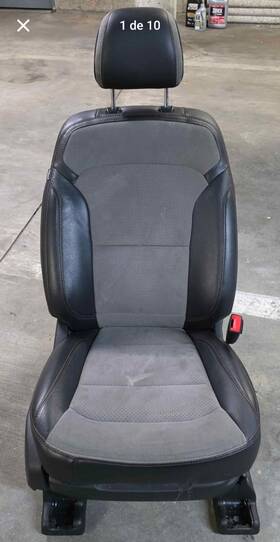
( Manufacturer Part Number: JU5T14D230 ), ( Part Type: Seat ), ( Seat Type: Bucket Seat With Headrest ), ( Headrest Type: Detachable ), ( Color: Black ), ( Placement On Vehicle: Front, Right )
Review FORD Right Passenger Front Seat Oem #notes fits EXPLORER 2016–2019
The **Ford Ju5T14D230 (2016 2019 Explorer Right Passenger Front Seat)** is a high-quality, factory-original seat designed for the second-row passenger side of the iconic Ford Explorer, specifically tailored for the **2016 through 2019 model years**. This seat is part of the **Explorer s front bench seat assembly**, featuring a durable, ergonomically contoured design engineered to provide both comfort and structural integrity for daily driving and extended trips. Crafted from premium materials, the seat upholstery combines a **textured, breathable fabric** with reinforced stitching to ensure longevity, even under frequent use. The **right-side passenger seat** is designed to accommodate a single occupant while maintaining proper alignment with the driver s seat, allowing for optimal visibility through the windshield and easy access to the center console controls.
The **Ju5T14D230 seat** includes a **fully adjustable headrest** with integrated side impact protection, enhancing safety in the event of a collision. The seat s **adjustable lumbar support** and **contoured cushioning** offer personalized comfort, reducing fatigue during long commutes or highway drives. The **seatbelt anchor points** are strategically placed for secure installation, ensuring compliance with Ford s safety standards. This seat is compatible with the **Explorer s power-adjustable seat system** (where applicable), allowing for effortless height, forward/backward, and tilt adjustments via the driver s controls. The **seat s frame and padding** are built to withstand the rigors of daily use, with reinforced stitching and high-density foam to maintain shape and support over time.
For those seeking a **direct replacement or upgrade**, this seat is an exact match for the **2016 2019 Explorer s right front passenger seat**, ensuring a seamless fit without modifications. Whether replacing a damaged seat, upgrading for enhanced comfort, or restoring an Explorer to its original condition, the **Ju5T14D230** delivers a reliable, functional, and stylish solution. Its **durable construction** and **attention to detail** make it a preferred choice for both DIY enthusiasts and professional installers looking for a genuine Ford part that meets the highest standards of quality and performance.
### Pros and Cons of Buying a 2016-2019 Ford Explorer (Right Passenger Front Seat, VIN JU5JT1D230)
#### **Pros:**1. **Reliability and Durability** The Ford Explorer, particularly the 2016-2019 models, is known for its robust build quality and strong engine options. The 3.5L V6 EcoBoost and 2.3L EcoBoost engines are generally reliable if maintained properly. The frame and suspension are designed to handle heavy loads and rough terrain, making it a practical choice for families or those needing extra space.
2. **Spacious Interior** The Explorer offers a large cabin with three rows of seating, providing ample legroom and cargo space. The right passenger front seat (often a captain s chair) adds convenience for the front passenger, making it ideal for families or those who frequently transport passengers.
3. **Comfortable Ride** The Explorer is designed for both on-road comfort and off-road capability. The suspension is well-tuned to absorb bumps, and the available adaptive dampers (in higher trims) further enhance ride quality. The seating is supportive, and the sound insulation is decent for a vehicle of its size.
4. **Technology and Infotainment** The 2016-2019 models come with Ford s SYNC 3 system, which includes a touchscreen display, Bluetooth connectivity, and compatibility with Apple CarPlay and Android Auto (depending on the trim). Higher trims feature larger screens and premium audio systems, making it a tech-savvy choice for modern drivers.
5. **Safety Features** Ford has equipped these Explorers with a range of safety features, including:- Standard stability control, traction control, and multiple airbags.
- Available blind-spot monitoring, rear cross-traffic alert, and adaptive cruise control (in higher trims).
- Good crash-test ratings from the NHTSA and IIHS, particularly in frontal and side-impact scenarios.
- The right passenger seat s proximity to the driver can also enhance situational awareness in certain driving conditions.
6. **Off-Road Capability** The Explorer is available with Ford s Trail Boss or King Ranch trims, which include features like skid plates, all-terrain tires, and a higher ground clearance. Even base models can handle light off-roading, making it versatile for adventurous drivers.
7. **Resale Value** The Explorer holds its value relatively well compared to some competitors, especially in the SUV segment. This can be beneficial if you plan to upgrade or sell the vehicle in the future.
8. **Available Engine Options** The 3.5L V6 EcoBoost provides strong performance (280 horsepower) with decent fuel efficiency for its class ( 18-20 MPG combined). The 2.3L EcoBoost (181 horsepower) is more fuel-efficient ( 22-25 MPG combined) but may feel less powerful. The 3.5L V6 is particularly appealing for those who prioritize towing or highway passing power.
9. **Customization and Trim Options** The Explorer offers a variety of trims (XLT, Limited, King Ranch, etc.), allowing buyers to tailor the vehicle to their needs and budget. Features like leather upholstery, heated/ventilated seats, and premium sound systems are available on higher trims.
10. **Ford s Warranty Coverage** Newer models (2016-2019) may still have some remaining warranty coverage or extended warranty options available, depending on the purchase date. Ford s powertrain warranty typically covers 10 years or 100,000 miles, which can provide peace of mind.
---
#### **Cons:**1. **Fuel Efficiency** The Explorer is not known for exceptional fuel economy. The 3.5L V6 EcoBoost averages around 18-20 MPG combined, while the 2.3L EcoBoost does slightly better at 22-25 MPG. This can be costly for long commutes or frequent highway driving, especially with rising gas prices.
2. **Maintenance Costs** While the Explorer is reliable, it is not the cheapest vehicle to maintain. Common maintenance items like oil changes, tire rotations, and brake services can add up. The EcoBoost engines, while powerful, require higher-quality fuel and may experience issues like carbon buildup or turbocharger failures if not properly maintained. Some owners report higher long-term repair costs compared to competitors like the Honda Pilot or Toyota Highlander.
3. **Rear Seat Comfort** While the front seats are spacious, the third-row seating can be cramped, especially for taller passengers. The legroom and headroom in the third row are limited, making long trips uncomfortable for some. The right passenger front seat does not significantly impact this issue but may slightly reduce cargo space when folded.
4. **Transmission Issues (Early Models)** Some 2016-2017 Explorers with the 6-speed automatic transmission have reported rough shifting or delayed engagement, particularly in cold weather. Ford addressed some of these issues with updates, but it s worth checking the vehicle s service history for transmission maintenance.
5. **Interior Quality Variability** Lower trims (e.g., XLT) may feel less premium due to plastic-heavy interiors and less refined materials. Higher trims (e.g., Limited, King Ranch) offer better quality, but even these can have some plastic components that feel less durable than competitors like Chevrolet or Cadillac.
6. **Rear Visibility** The Explorer s large size can sometimes make it difficult to see out of the rear windows, especially when backing up. The blind-spot monitoring and rear camera (available on higher trims) help mitigate this, but it remains a potential concern.
7. **Towing Limitations** While the Explorer can tow up to 5,200 lbs with the proper trailer package, it lacks some of the towing-specific features found on dedicated trucks or SUVs like the Chevrolet Tahoe or Ford Expedition. The suspension and braking systems are not optimized for heavy towing, which can lead to reduced comfort and handling.
8. **Noise Levels** Some owners report that the Explorer can be noisy at highway speeds, particularly with the wind or road noise. The sound insulation is adequate but not as refined as some competitors.
9. **Resale Depreciation** While the Explorer holds its value better than some SUVs, it still depreciates significantly over time. If you plan to sell or trade it in after a few years, the resale value may not fully offset the initial purchase price.
10. **Potential Electrical Gremlins** Like many modern vehicles, the Explorer can experience occasional electrical issues, such as malfunctioning sensors, infotainment glitches, or window regulator failures. These are usually minor but can be frustrating if they occur frequently.
11. **Right Passenger Seat Limitations** While the right passenger front seat (captain s chair) is convenient, it can also be a drawback in certain situations:
- It may reduce cargo space when the rear seats are folded.
- The seat s proximity to the driver s side door can make it slightly less comfortable for very tall passengers.
- In a collision, the right passenger seat may not offer the same level of protection as a standard bench seat, though modern airbag systems mitigate this risk.
12. **Competitor Advantages** Other SUVs in the same segment, such as the Toyota Highlander, Honda Pilot, or Chevrolet Traverse, often offer better fuel efficiency, more refined interiors, or lower maintenance costs. The Explorer s strengths lie in its power, space, and off-road capability, but these may not be priorities for every buyer.
---
### **Conclusion:**The 2016-2019 Ford Explorer with the right passenger front seat is a versatile and capable SUV that excels in space, comfort, and off-road performance. It is an excellent choice for families, those who prioritize cargo capacity, or individuals who need a vehicle that can handle both urban driving and light adventure. The EcoBoost engines provide strong power, and the available safety and tech features make it a practical option for modern drivers.
However, the Explorer is not without its drawbacks. Its fuel efficiency is mediocre, maintenance costs can add up over time, and the third-row seating is cramped. Electrical or transmission issues may arise if the vehicle has not been well-maintained, so thorough inspection and service history verification are critical before purchase. Additionally, the right passenger seat, while convenient, may slightly limit cargo flexibility.
If you value space, power, and durability over fuel economy and long-term cost savings, the Explorer is a solid choice. For buyers who prioritize efficiency, lower maintenance costs, or a more refined ride, competitors like the Toyota Highlander or Honda Pilot may be worth considering.
---
### **Recommendation:** Before purchasing a 2016-2019 Ford Explorer with the right passenger front seat, follow these steps to ensure you make the best decision: 1. **Inspect the Vehicle Thoroughly:**- Check for signs of poor maintenance, such as oil leaks, worn brake pads, or unusual noises under acceleration or braking.
- Verify that the transmission shifts smoothly and that there are no delays or rough engagements.
- Test the infotainment system, air conditioning, and electrical components to ensure they function properly.
- Inspect the tires for uneven wear, which could indicate alignment or suspension issues.
2. **Review the Service History:**- Ensure the
Details:
El ascent se le Quito a Ina 2017 Ford Explorer XLT.
part #: ju5t14d230 prices
- $55.25-$59.99
specifications seainterio:
- for models: Explorer
- for makes: Ford
- for years: 2016-2019
- mpn: Ju5t14d230
- part type: Seat
- seat type: Bucket Seat With Headrest
- headrest type: Detachable
- color: Black
- placement on vehicle: Front, Right
shipping seainterio:
- cost: $8.10
- type: Calculated
- carrier: USPS
- transit: 4-10 Days
- service: USPS Ground Advantage
- class: Standard
seller seainterio:
- # reviews: 9
- city: Anaheim, California
- rating: 0.0%
returns seainterio:
- time: 30 Days
- paid by: Buyer
- policy: Returns Accepted
general seainterio:
- Interior Parts Accessories > Seats, Parts Accessories > Seats
- condition: Used
offer seainterio:
- best offers: True
- started: March 18, 2026
- options: Ship-to-home
- availability: In Stock
- quantity: 1
- sold: 0
payments seainterio:
- other
- wallet: Apple-pay
- credit card: Diners-club
Ford JU5T14D230 Is Similar To:
- 064006 Distinctive Industries Ford Mustang Seat Foam For Pony Interior Only (27% similar) New pony seat foam, this foam is for your ford mustang with interior only. Ships to lower 48 states only...(March 1st, 2018)
- 064007 Distinctive Industries Ford Mustang Standard Seat Foam New (29% similar) Ships to lower 48 states only. New standard seat foam 1, this is for your ford mustang with interior...(March 1st, 2018)
- 064008 Distinctive Industries Ford Mustang Seat Foam New (27.9% similar) Ships to lower 48 states only. New standard or deluxe seat foam 1, this is for your 1967 ford mustang with interior...(March 1st, 2018)
- 64f-43192-m Oval Industries Ford Mustang Seat Belt Retactors Pair (27.5% similar) Ships to lower 48 states only. These seat belt detractors are for your ford mustang. One brand new pair of seat belt detractors...(April 12th, 2018)
- C5zz-61216 Scott Drake Mustang Parts Ford Seat Belt Anchor Plate New (22.7% similar) This anchor plate is for your ford mustang. Ships to lower 48 states only. One brand new seat belt anchor plate...(April 16th, 2018)
- C5zz-6360575-a Scott Drake Mustang Parts Thru Ford Fastback Rear Seat Support (21.3% similar) Ships to lower 48 states only. These rear seat support are for your early ford mustang fastback. One brand new pair of fastback rear seat supports...(April 23rd, 2018)
- C5zz-6362418-b Scott Drake Mustang Parts Ford Fastback Rear Seat Latch Knob (23% similar) This seat latch knob is for your ford mustang. Ships to lower 48 states only. One brand new fastback rear seat latch knob...(April 24th, 2018)
- C5zz-6561828 Daniel Carpenter Ford Mustang Seat Track Spring Kit (26.3% similar) Ships to lower 48 states only. These seat tracks springs are for your ford mustang. One brand new seat track spring kit...(April 16th, 2018)
- C7zz-6362418-b Scott Drake Mustang Parts Ford Fastback Rear Seat Latch Knob (23% similar) One brand new fastback rear seat latch knob. Ships to lower 48 states only. This seat latch knob is for your ford mustang...(April 24th, 2018)
- C8az-65611a72bk Scott Drake Mustang Parts Ford Black Seat Belt Restoration Kit (22.5% similar) Ships to lower 48 states only. This seat belt restoration kit is for your ford mustang. One brand new seat belt restoration kit with black bezels...(May 17th, 2018)
- C8az-65611a72ck Scott Drake Mustang Parts Ford Chrome Seat Belt Restoration Kit (23.7% similar) One brand new seat belt restoration kit with chrome bezels. This seat belt restoration kit is for your ford mustang. Ships to lower 48 states only...(June 21st, 2018)