MERCEDES Rear Seat Bottom Cushion 215.MB1P82 Benz
fits model: 300sd, W126. make: Mercedes. year: 1981–1985.
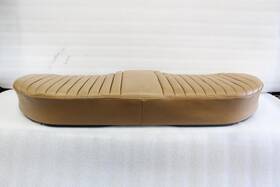
( Manufacturer Part Number: 300SD ), ( Part Type: Seat Cushion ), ( Conditions Options: B, Rear Seat Bottm Date Minor Stain ), ( Genuine Oem: Yes ), ( Ipn: 215.mb1p82 ), ( Make: Mercedes-benz ), ( Year: 1982 ), ( Descriptionpartcondition: Minor Stain On Leather, See Photos. ), ( Material: Leather ), ( Manufacturer Warranty: 60 Day ), ( Placement On Vehicle: Rear, Second Row ), ( Color: Beige )
Review MERCEDES benz Rear Seat Bottom Cushion Date Beige fits 300SD W126 1981–1985
The **Mercedes-Benz 215 MB1P82 (W126) 300SD from the years 1981 to 1985** represents a rare and highly sought-after piece of automotive history, embodying the pinnacle of German engineering and timeless luxury from the early 1980s. This model, part of the legendary W126 series, was the last iteration of the classic Mercedes-Benz 300 series before the shift to the more modern W123 platform, making it a transitional yet iconic piece of the brand s evolution. The **rear seat bottom cushion** from this era, specifically the **MB1P82 part**, is a meticulously crafted component designed to deliver uncompromising comfort and durability, reflecting the meticulous attention to detail that Mercedes-Benz was renowned for during this period.
The **300SD** itself was a powerhouse, combining the refined elegance of its sedan predecessors with the robust performance of its diesel engine a **5.0-liter OM617 inline-six** producing a smooth and torque-rich **125 horsepower**, paired with a robust five-speed manual transmission or the optional four-speed automatic. This engine, paired with the W126 s legendary chassis, offered a blend of sophistication and capability that set it apart from its contemporaries. The **rear seat cushion**, in particular, was engineered to complement this performance, featuring a **high-density foam core** encased in premium, supple leather or high-quality synthetic upholstery, depending on the trim level. The stitching and construction were executed with precision, ensuring both longevity and a luxurious feel, with reinforced edges to prevent wear and tear over time.
What makes this cushion even more distinctive is its **ergonomic design**, tailored to the W126 s spacious yet refined rear seating area. The **1981 1985 models** saw subtle refinements in interior materials and ergonomics, with the rear seat cushion evolving slightly to better support passengers during long drives, a hallmark of Mercedes-Benz s commitment to passenger comfort. The cushion itself would have been designed to integrate seamlessly with the **contoured seat frames**, providing both structural support and a plush, inviting surface. Over the years, these cushions have become highly collectible, as they are not only functional but also a tangible piece of automotive heritage, embodying the craftsmanship of an era when luxury was defined by attention to detail rather than mere opulence.
For enthusiasts and restorers, this **MB1P82 rear seat cushion** is more than just a replacement part it is a nod to a time when Mercedes-Benz represented the epitome of German engineering, blending power, precision, and elegance. Whether installed in a meticulously restored 300SD or used to preserve the originality of a classic, this cushion ensures that the legacy of the W126 continues to thrive, offering both authenticity and unmatched comfort to those who appreciate the art of fine automotive design. Its durability, combined with the timeless appeal of the Mercedes-Benz name, makes it a prized component for anyone seeking to honor the spirit of this legendary model.
### Pros and Cons of Buying a Mercedes-Benz 215 (MB1P82) / 300SD W126 (1981 1985) with a Damaged Rear Seat Bottom Cushion
#### **Pros**
1. **Classic Mercedes-Benz Engineering**
The W126 platform is renowned for its robust construction, high-quality materials, and refined engineering. The 300SD (diesel) and 215 (petrol) models from this era are built to last, with solid chassis and reliable mechanical components. The diesel version, in particular, is known for its durability and fuel efficiency compared to contemporary petrol engines.
2. **Strong Resale Value**
Mercedes-Benz W126 models, especially the 300SD, hold their value well over time. Even with a worn rear seat cushion, the car s brand prestige and mechanical integrity make it a desirable collector s item or a practical daily driver for those who appreciate luxury and reliability.
3. **Comfort and Ride Quality**
The W126 is famous for its smooth ride, excellent sound insulation, and premium interior materials. The suspension is well-tuned for both highway comfort and road-holding, making it a comfortable choice for long drives. The diesel model s torque is particularly well-suited for highway cruising.
4. **Diesel Engine Durability (300SD)**
The OM617 or OM616 diesel engine (depending on the year) is legendary for its longevity. With proper maintenance, these engines can easily exceed 300,000 400,000 miles. The 300SD is also more fuel-efficient than its petrol counterparts, offering better value in the long run.
5. **Mechanical Simplicity and Repairability**
Compared to modern complex electronics, the W126 s mechanical systems are straightforward to diagnose and repair. Parts are still widely available, and skilled mechanics familiar with Mercedes-Benz classics are common, especially in Europe and North America.
6. **Luxury and Prestige**
Owning a W126, even with minor cosmetic issues like a worn seat cushion, carries a sense of prestige. The car s design, craftsmanship, and reputation for luxury make it a standout vehicle in any setting.
7. **Potential for Restoration or Upgrades**
If you re willing to invest time or money, the W126 is a great candidate for restoration. The rear seat cushion can be replaced with an aftermarket or OEM part, and the car s interior can be refreshed to like-new condition. Performance upgrades (e.g., turbocharging the diesel, exhaust tuning) are also popular among enthusiasts.
8. **Low Running Costs (Compared to Modern Luxury Cars)**
While maintenance costs can add up, the W126 is far more economical to own than a modern luxury sedan. Insurance, fuel (especially for the diesel), and general upkeep are significantly cheaper, making it a practical choice for those on a budget.
---
#### **Cons**
1. **Rear Seat Cushion Condition**
The most immediate issue is the damaged rear seat cushion. While this is a cosmetic concern, it can affect comfort and resale value. Replacing the cushion may require sourcing an OEM part (expensive and hard to find) or opting for an aftermarket replacement, which may not match the original quality. If the frame or structure of the seat is compromised, it could also pose a safety risk.
2. **Maintenance and Upkeep Costs**
While the W126 is reliable, it is not a "set-and-forget" car. Regular maintenance is essential to prevent issues. Common areas of concern include:- **Fuel System:** Diesel models can suffer from injector or fuel pump failures over time, requiring costly repairs.
- **Transmission:** The 5-speed manual or 4-speed automatic (in later models) can wear out, especially if not serviced properly.
- **Electrical Issues:** Older wiring harnesses and components can fail, leading to intermittent problems (e.g., lights, windows, or gauges).
- **Rust:** Depending on the car s history, rust can be a problem, particularly in the wheel arches, sills, and undercarriage. A thorough inspection is critical.
- **Interior Wear:** Beyond the seat cushion, leather or vinyl can crack, and carpets may be stained or worn.
3. **Fuel and Emissions Compliance**
- **Diesel Models:** The 300SD may not meet modern emissions standards, which could complicate registration or usage in some regions (e.g., California s smog checks). However, many areas still allow older diesel vehicles.
- **Petrol Models (215):** While less of an issue than diesel, older petrol engines may not pass emissions tests in strict regions. Lead-free fuel requirements also apply, which can affect performance if the car was originally run on leaded fuel.
- **Fuel Availability:** Diesel fuel quality has improved, but older diesel engines can be sensitive to modern fuel additives. Petrol models may struggle with modern fuel blends if not properly maintained.
4. **Driving Experience Limitations**
- **Manual Transmission:** If the car comes with a manual, the gearbox can feel heavy or require more effort to shift, especially in stop-and-go traffic.
- **Steering and Handling:** While the W126 handles well, it is not as nimble as modern cars. The steering can feel heavy, and the car s weight makes it less agile in tight spaces.
- **Braking:** Older brake systems (drums or basic discs) may require upgrades for modern safety standards. Brake pads and rotors will need frequent attention.
5. **Parts and Labor Costs**
- **Parts:** While parts are available, OEM components (especially for the interior) can be expensive. Aftermarket parts may not always fit perfectly or last as long.
- **Labor:** Specialized mechanics familiar with Mercedes-Benz classics may charge premium rates for repairs. If you re not comfortable with DIY maintenance, this can add up quickly.
6. **Safety Concerns**
- **Passive Safety:** Modern safety features (airbags, ABS, traction control) are absent. The car relies on traditional safety measures like proper tire condition, functional brakes, and good visibility.
- **Structural Integrity:** A thorough inspection is needed to ensure the chassis, suspension, and body are sound. Rust or frame damage can compromise safety.
7. **Insurance and Registration**
- **Insurance:** Classic or older Mercedes-Benz models can be expensive to insure, especially if they are high-value or modified. Comprehensive coverage is often recommended.
- **Registration:** Some regions have restrictions on older vehicles, particularly those not meeting emissions or safety standards. Check local regulations before purchasing.
8. **Time-Consuming Ownership**
- **Restoration Projects:** If the car is not in perfect condition, restoring it to full functionality can be a significant time investment. This may not be ideal for someone seeking a ready-to-drive vehicle.
- **Maintenance Schedule:** Older cars require more frequent check-ups (e.g., valve adjustments, timing belt replacements) than modern vehicles.
---
### **Conclusion**
Buying a Mercedes-Benz W126 (215 or 300SD) from 1981 1985 with a damaged rear seat cushion can be a rewarding experience if you are prepared for the challenges. The car s mechanical reliability, luxury appeal, and potential for restoration make it a compelling choice for enthusiasts, collectors, or those seeking a unique daily driver. However, the condition of the rear seat cushion is a minor but noticeable flaw that should be addressed either upfront or as part of your ownership plan.
If you are willing to invest time and money into restoring or replacing the seat cushion and if you re prepared for the maintenance demands of an older luxury car the W126 offers unmatched driving pleasure, durability, and prestige. On the other hand, if you prioritize convenience, modern safety, or low-maintenance ownership, this car may not be the best fit.
### **Recommendation**
1. **If you are an enthusiast or collector:**Purchase the car with the intention of restoring it to full condition. Focus on addressing the rear seat cushion first, followed by a full mechanical and structural inspection. Budget for potential hidden issues (e.g., rust, fuel system, transmission) and consider hiring a trusted Mercedes-Benz specialist for a pre-purchase inspection.
2. **If you want a reliable daily driver with luxury:**Opt for a W126 that is already restored or in excellent condition. Prioritize models with a clean service history, especially for the diesel engine and transmission. Test the rear seat cushion s structural integrity if the frame is damaged, it may require professional repair.
3. **If you are on a budget but want a project car:**Buy the car as-is, address the immediate issues (seat cushion, obvious rust, fluids), and proceed with a phased restoration. Be realistic about your time and skills, or enlist the help of a mechanic.
4. **If you prefer modern convenience:**Consider alternatives such as a restored W124 (1991 1995) or a later-model Mercedes-Benz with modern safety and emissions compliance. While less classic, these may offer a better balance of luxury and practicality.
Ultimately, the W126 is a fantastic choice for the right owner one who appreciates its heritage, is patient with its quirks, and is willing to put in the effort to keep it running smoothly.
Details:
271000 not available or unknown.
specifications seainterio:
- for models: 300sd, W126
- for makes: Mercedes
- for years: 1981-1985
- mpn: 300sd
- part type: Seat Cushion
- conditions options: B, Rear Seat Bottm Date Minor Stain
- genuine oem: Yes
- ipn: 215.mb1p82
- make: Mercedes-benz
- year: 1982
- descriptionpartcondition: Minor Stain On Leather, See Photos.
- material: Leather
- manufacturer warranty: 60 Day
- placement on vehicle: Rear, Second Row
- color: Beige
returns seainterio:
- policy: Returns Accepted
- time: 60 Days
- paid by: Buyer
shipping seainterio:
- type: Fixed
- class: Freight
- service: Flat Rate Freight
- cost: $200.00
general seainterio:
- condition: Used
- Interior Parts Accessories > Seats, Parts Accessories > Seats
seller seainterio:
- city: Rancho Cordova, California
- # reviews: 20760
- rating: 99.4%
payments seainterio:
- other
- credit card: Diners-club
- wallet: Paypal
offer seainterio:
- quantity: 1
- sold: 0
- options: Ship-to-home
- started: April 30, 2026
- best offers: True
- availability: In Stock
Mercedes 300SD Is Similar To:
- 000 820 70 07 Mercedes-benz Bosch Oem Mercedes Benz (29.9% similar) Open bag item. Oem mercedes benz gearing seat drive adjustment switch new, genuine, old stock switches. There is only one bag. Please feel free to ask any questions, I am here help wherever can. The pictures are a representative example of one switches initially available, please see photographs...(February 28th, 2017)
- 000-910-63-85 Mercedes W108 W109 Seat (25.6% similar) Mercedes removed from 1971 280SE W108 ref BSP0002 these are used parts with imperfections, wear age and light scratches as seen in the pictures. Price often negotiable please look at pictures carefully. I do combine shipping charges. Never hurts. Or...(April 17th, 2017)
- 000-910-80-86 Mercedes Seat Backrest Adjuster Hinges Slc (32.9% similar) Excellent working condition. Sale is for original mercedes back rest seat adjuster hinge, part. Mercedes seat backrest adjuster hinges W107 R107 560SL 450SL 380SL LC. See pictures original mercedes benz parts...(February 13th, 2019)
- 0008210963 Hella Mercedes Benz Emergency Flasher Relay Hazard Switch (29.3% similar) This should be compatible with W123 240D and 300TD as well. It may also be compatible with other mb cars from the 80S. Please do your research. Shipping is 10 USPS. For sale is: 1 emergency flasher relay, part made in Austria hell hazard switch Germany both the relay and were working order when ...(November 9th, 2018)
- 0008680130 Mercedes-benz Mercedes Seat Belt (34.5% similar) Mercedes seat belt trim cover upper early 450SL 107 chassis thousands of European parts available. Hundreds of oe taillights, headlights, mirrors, misc rims, and obsolescence parts...(November 25th, 2017)
- 0009107585 Mercedes Sl 107 Seat (26.8% similar) Sale is for original mercedes back rest seat adjuster hinge, part. Marketing, listing apps, application. See pictures. Excellent working condition. For more mercedes parts...(November 29th, 2017)
- 0009107685 Backrest Back Rests Mechanism Mercedes Sl 107 Seat Backrest (25.3% similar) See pictures. Sale is for original mercedes back rest seat adjuster hinge, part. For more mercedes parts. Marketing, listing apps, application. Excellent working condition...(December 28th, 2016)
- 0009107986 Mercedes Sl 107 Seat (26.8% similar) Excellent working condition. See pictures. Sale is for original mercedes back rest seat adjuster hinge, part. Marketing, listing apps, application. For more mercedes parts...(December 1st, 2017)
- 0009108186 Mercedes Left Driver Seat Backrest Adjusters Hinges (35.4% similar) ...(December 4th, 2018)
- 0009109486 Backrest Back Rests Mechanism Mercedes R107 Right Seat Backrest (22.4% similar) Mercedes R107 right seat backrest adjuster hinge set 380SLC this is a quality used mercedes-benz in good condition and does show signs of use. All parts are tested on the car then whenever possible go through secondary bench testing. Mounting points are intact. Condition is visible in the photos. ...(February 13th, 2017)
- 0009180836 Mercedes-benz Mercedes Benz Seat (30.2% similar) Knob only no cover...(October 2nd, 2017)